Microlearning and Bite-Sized Skill Boosters: The Future of Workplace Learning

Workplace learning is changing fast. Employees today are busy with deadlines, meetings, and constant communication. Because of this, long training sessions and full-day workshops are becoming difficult to attend and even harder to remember.

This is where microlearning and bite-sized skill boosters are becoming the future of corporate training.

Microlearning focuses on small, focused learning units that employees can complete quickly and apply immediately at work.

What Is Microlearning?

Microlearning is a learning approach where content is delivered in short, simple, and focused pieces.

Instead of long presentations and heavy theory, microlearning uses:

  • Short videos (3 to 7 minutes)
  • Quick quizzes
  • Simple case scenarios
  • Daily learning tips
  • Short practice exercises

Each microlearning module focuses on one clear objective, making learning easier to understand and remember.

Why Traditional Corporate Training Is Losing Impact

Traditional training methods were designed for a different workplace environment. They often involve long classroom sessions, lengthy presentations, and information overload.

Common challenges with traditional training include:

  • Low attention and engagement
  • Employees forgetting content quickly
  • Difficulty attending long sessions
  • Limited real-world application

Microlearning addresses these challenges by delivering learning in small, repeatable, and relevant formats.

Why Microlearning Works So Well

Short Attention Spans

People focus better when learning content is short. Microlearning respects this by keeping lessons simple and concise.

One Concept at a Time

Each module focuses on a single idea, reducing confusion and improving understanding.

Better Memory Retention

Small chunks of information are easier to remember and recall.

Immediate Application

Employees can apply what they learn immediately in their daily work.

Microlearning vs Traditional Learning

Traditional LearningMicrolearning
Long training sessionsShort learning bursts
One-time eventsContinuous learning
Heavy theoryPractical and focused
Low retentionHigh retention

Role of Microlearning in Modern Workplace Learning

Modern organizations need training that is fast, flexible, and scalable. Microlearning fits well with remote work, hybrid teams, and mobile learning.

Employees can learn anytime and anywhere, without disrupting their daily work.

Types of Microlearning Content Used in Organizations

Short Videos

Short videos explain a single concept clearly and quickly.

Micro Quizzes

Short quizzes help reinforce learning and improve retention.

Daily Learning Nudges

Small learning reminders encourage continuous improvement.

Scenario-Based Learning

Real-life scenarios help learners practice decision-making skills.

Infographics and Checklists

Visual summaries make learning easier to understand and share.

Microlearning for Leadership Development

Leadership skills develop over time through regular practice. Microlearning supports leadership development by reinforcing behaviours daily.

Leaders benefit from short lessons on feedback, decision-making, communication, and team management.

Microlearning for Communication Skills

Communication improves through regular practice. Microlearning supports communication training using role-play videos, listening exercises, and feedback scenarios.

Microlearning for Sales and Customer Service Teams

Sales and customer service teams use microlearning for product updates, objection handling, and customer interaction skills.

Microlearning for Behavioural and Soft Skills Training

Soft skills such as emotional intelligence, adaptability, and collaboration improve with continuous reinforcement, which microlearning provides.

Role of Technology and AI in Microlearning

Technology and AI enhance microlearning by recommending relevant content, tracking progress, identifying skill gaps, and suggesting next learning steps.

This ensures employees receive the right learning at the right time.

Benefits of Microlearning for Employees

  • Easy and flexible learning
  • Higher motivation and engagement
  • Immediate workplace application
  • Better knowledge retention

Benefits of Microlearning for Organizations

  • Higher training completion rates
  • Faster skill development
  • Scalable learning programs
  • Better return on training investment

How to Design an Effective Microlearning Program

Define Clear Learning Objectives

Each microlearning module should focus on one clear goal.

Keep Content Simple and Practical

Use real-life examples instead of heavy theory.

Choose the Right Format

Select videos, quizzes, or scenarios based on learning needs.

Encourage Immediate Practice

Ask learners to apply learning in their daily work.

Reinforce Learning Over Time

Use reminders and follow-up activities.

Common Mistakes to Avoid in Microlearning

  • Overloading content in one module
  • Skipping reinforcement and follow-ups
  • Not tracking learning impact
  • Treating microlearning as a standalone solution

The Future of Workplace Learning

The future of workplace learning is continuous, digital-first, and employee-focused. Microlearning supports lifelong learning and adapts to changing skill needs.

Final Thoughts

Microlearning and bite-sized skill boosters are shaping the future of workplace learning. They improve engagement, retention, and real-world performance.

Organizations that adopt microlearning build agile, skilled, and future-ready teams.

About Insite Learning Solutions

Insite Learning Solutions delivers customised corporate training programs focused on leadership development, communication skills, and behavioural excellence.

Through practical and modern learning approaches, Insite helps organizations build confident and capable teams.
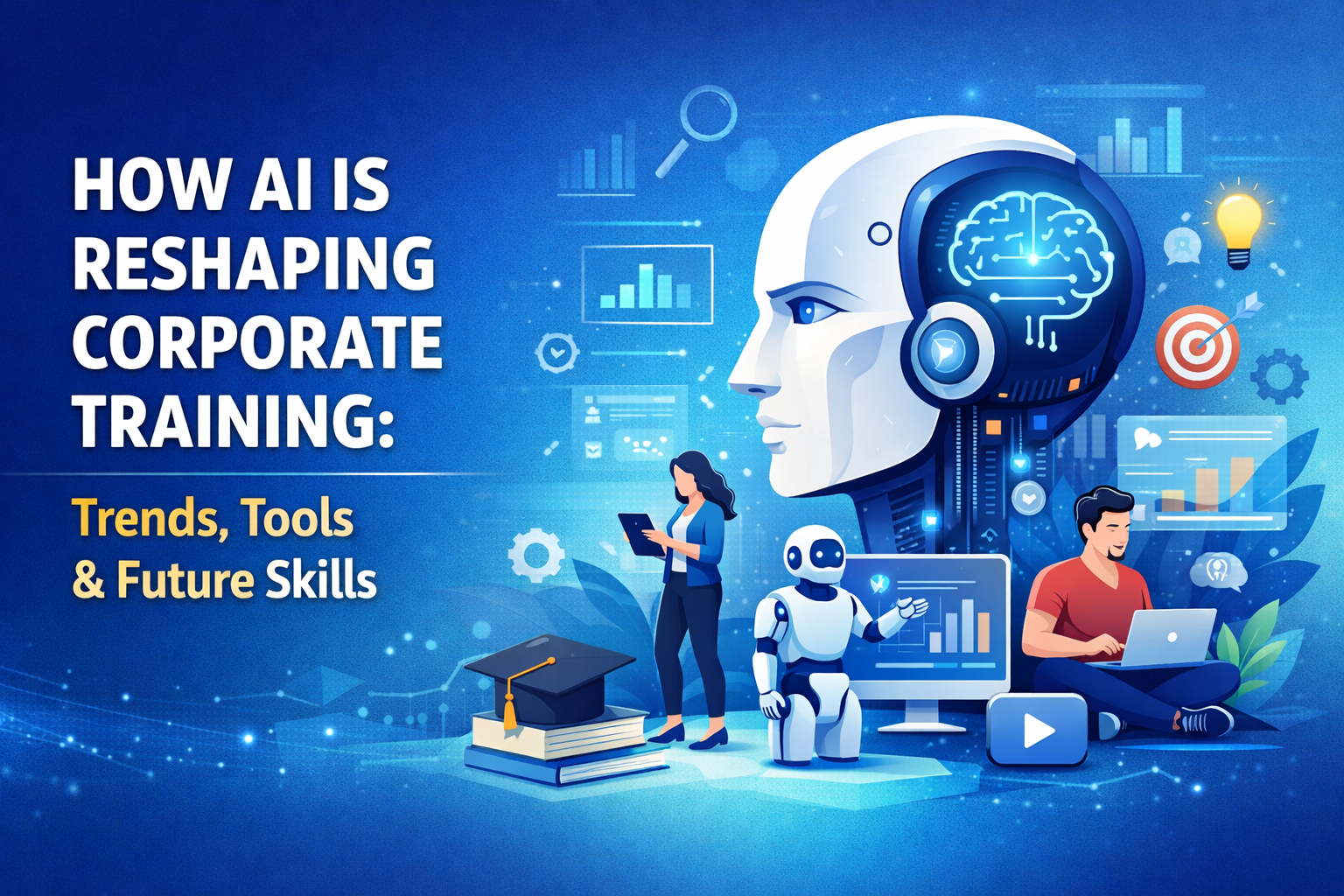
How AI Is Reshaping Corporate Training: Trends, Tools, and Future Skills

Corporate training has always played an important role in business growth. But the way people learn at work has changed completely in recent years.

Employees today have less time for long classroom sessions, expect learning to be flexible, and want training that helps them perform better immediately. At the same time, organizations are under pressure to upskill employees faster, prepare leaders for future challenges, and clearly measure training impact.

This is where Artificial Intelligence (AI) is reshaping corporate training.

AI is not a replacement for trainers, coaches, or human interaction. Instead, it acts as a powerful support system that makes learning smarter, more personalized, and more effective.

What Is AI in Corporate Training?

Artificial Intelligence (AI) in corporate training refers to technology that can learn from data and user behaviour to improve learning outcomes.

In simple terms, AI can:

  • Understand how employees learn
  • Track progress automatically
  • Recommend relevant learning content
  • Identify skill gaps
  • Provide insights for better training decisions

Traditional training usually follows a one-size-fits-all approach. AI-powered training, on the other hand, focuses on personalization, flexibility, and measurable outcomes.

Why Corporate Training Needs AI Today

The modern workplace has changed rapidly due to hybrid work models, fast-changing skill requirements, and increasing performance expectations.

Organizations face challenges such as:

  • Limited time for employee training
  • Diverse learning needs across teams
  • Difficulty measuring training ROI
  • Need for continuous skill development

AI helps address these challenges by making corporate training more relevant, flexible, scalable, and data-driven.

Key Benefits of AI in Corporate Training

1. Personalized Learning Experience

AI understands that every employee learns differently. It considers job roles, experience levels, learning behaviour, and performance data to suggest the most relevant training content.

2. Faster Skill Development

AI helps employees focus only on the skills they need. This reduces unnecessary training time and improves productivity.

3. Improved Training ROI

AI provides clear insights into training effectiveness, helping organizations justify learning investments with data.

Major AI Trends Reshaping Corporate Training

1. Personalized Learning Paths

AI creates customized learning journeys based on an employee’s role, skills, and performance. New managers, senior leaders, and frontline employees receive different learning experiences tailored to their needs.

2. AI-Based Skill Gap Analysis

AI analyses job roles, performance data, and training history to identify current and future skill gaps. This allows organizations to plan training proactively.

3. Microlearning Powered by AI

Microlearning delivers content in short formats such as videos, quizzes, and daily tips. AI recommends the right microlearning content at the right time, improving engagement and retention.

4. AI Chatbots in Corporate Learning

AI chatbots act as virtual learning assistants, helping employees find content, answer basic questions, and stay engaged with learning programs.

5. Data-Driven Learning Insights

AI dashboards provide real-time insights into participation, engagement, skill improvement, and program effectiveness.

AI Tools Used in Corporate Training

AI is already integrated into many corporate learning platforms, including:

  • AI-enabled Learning Management Systems (LMS)
  • Adaptive learning platforms
  • Assessment and feedback tools
  • Virtual coaching solutions

These tools are widely used in leadership development, communication skills training, and behavioural learning programs.

AI in Leadership Development Programs

Leadership development is no longer limited to classroom workshops. AI supports leadership training by tracking behaviour patterns, analysing communication styles, and providing personalised coaching insights.

This helps leaders become more self-aware and improve decision-making, collaboration, and people management skills.

AI in Soft Skills and Behavioural Training

Soft skills such as emotional intelligence, communication, adaptability, and teamwork are becoming more important than ever.

AI helps by identifying behavioural gaps, tracking progress over time, and supporting personalised practice. However, human trainers remain essential for coaching, mentoring, and emotional connection.

Future Skills Needed in an AI-Driven Workplace

1. Emotional Intelligence (EQ)

AI cannot replace empathy, human understanding, or emotional awareness. These skills will always be critical.

2. Critical Thinking

AI provides data, but humans must interpret it and make ethical, informed decisions.

3. Communication Skills

Clear communication is essential in hybrid, remote, and cross-cultural work environments.

4. Adaptability and Continuous Learning

Employees must be willing to learn continuously as skills and roles evolve.

How Organizations Can Start Using AI in Corporate Training

Organizations can begin with small, practical steps:

  • Identify training challenges
  • Introduce AI-based assessments
  • Implement personalised learning paths
  • Adopt microlearning formats
  • Measure results and refine programs

Common Myths About AI in Corporate Training

Myth 1: AI Will Replace Trainers

AI supports trainers but does not replace human coaching and mentoring.

Myth 2: AI Is Too Complex

Many AI-powered learning tools are user-friendly and easy to adopt.

Myth 3: AI Is Only for Large Enterprises

AI-based training solutions are now accessible to mid-sized organizations as well.

The Role of Human Trainers in an AI-Driven Future

AI handles automation, data analysis, and personalization. Human trainers focus on coaching, mentoring, behaviour change, and building trust.

The future of corporate training lies in combining human expertise with AI-powered insights.

Final Thoughts

AI is reshaping corporate training in a meaningful way. Organizations that embrace AI-powered learning can build stronger leaders, develop future-ready skills, improve training ROI, and create a culture of continuous learning.

AI is not just about technology. It is about using technology to develop people better.

About Insite Learning Solutions

Insite Learning Solutions delivers customised corporate training programs focused on leadership development, emotional intelligence, communication skills, and behavioural excellence.

By combining human expertise with modern learning approaches, Insite helps organizations build confident, capable, and future-ready teams.

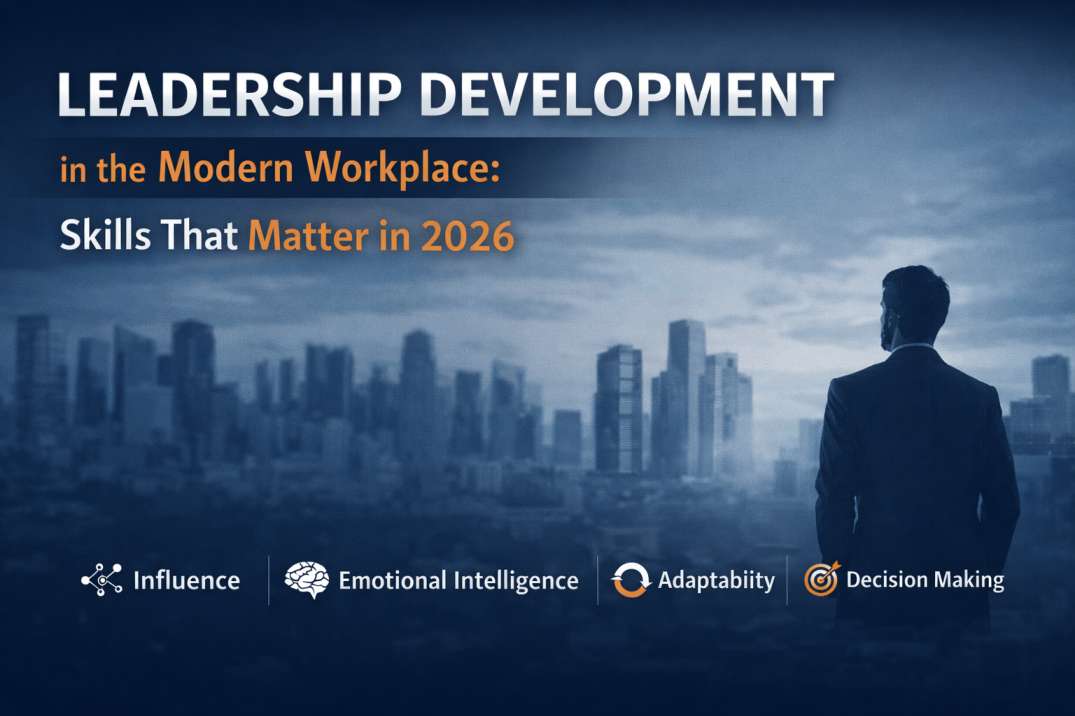
Leadership Development in the Modern Workplace: Skills That Matter in 2026

The modern workplace is evolving at an unprecedented pace. Rapid digital transformation, hybrid work environments, shifting employee expectations, and global collaboration have completely changed what it means to lead. In this environment, leadership is no longer defined by authority or hierarchy—it is defined by influence, emotional intelligence, and adaptability.

This is why leadership development in the modern workplace has become a strategic priority for organizations worldwide. As we move toward 2026, companies that invest in future-ready leadership development programs will be better equipped to navigate uncertainty, engage their people, and sustain long-term growth.

If you are a CEO, HR leader, or senior manager looking to strengthen leadership capabilities across your organization, this blog will walk you through the leadership skills that truly matter in 2026, why traditional leadership training often fails, and how structured leadership development programs create real impact.

The Shift from Authority-Based to Influence-Based Leadership

For many years, leadership was built around authority. Managers were expected to give instructions, control outcomes, and enforce compliance. While this approach worked in predictable environments, it is no longer effective in today’s dynamic, people-centric workplaces.

Modern leadership is about influence rather than control. Employees today expect trust, autonomy, and purpose. They are more likely to follow leaders who inspire, listen, and support rather than those who simply issue commands.

Influence-based leadership focuses on building credibility, fostering collaboration, and aligning teams toward a shared vision. Leaders succeed not because of their job title, but because of their ability to earn trust and motivate people to perform at their best.

Why Leadership Development Is Critical in 2026

Organizations across industries are facing increasing complexity. High employee turnover, disengagement, burnout, and constant change have made leadership more challenging than ever. Many of these issues are not operational problems—they are leadership challenges.

As we approach 2026, leaders are expected to manage remote and hybrid teams, lead diverse workforces, and make decisions under uncertainty. Without the right leadership training for managers, even high-performing professionals can struggle in people management roles.

This makes leadership development programs essential—not as one-time workshops, but as ongoing capability-building initiatives.

Core Leadership Skills That Matter in 2026

Emotional Intelligence (EQ)

Emotional intelligence has emerged as one of the most critical leadership skills in the modern workplace. Leaders with strong EQ are better equipped to understand their own emotions, manage stress, and respond thoughtfully to others.

  • Build trust and psychological safety within teams
  • Handle conflict and difficult conversations effectively
  • Demonstrate empathy and active listening
  • Maintain composure under pressure

Adaptability and Learning Agility

The pace of change is no longer slowing down. Leaders must be flexible, open to learning, and willing to adapt their approach based on evolving circumstances.

  • Respond effectively to change and uncertainty
  • Encourage innovation and continuous learning
  • Adjust leadership styles to suit different people and situations

Decision-Making in Complex Environments

Leaders in 2026 will face ambiguity, limited information, and competing priorities. Strong decision-making is not about having all the answers—it is about structured thinking, accountability, and ethical judgment.

  • Make informed decisions under pressure
  • Balance speed with responsibility
  • Involve teams while maintaining accountability

Advanced Communication Skills

Clear and confident communication remains a cornerstone of effective leadership. In hybrid and digital-first workplaces, leaders must be intentional about how they communicate across channels.

  • Communicate vision and expectations clearly
  • Give constructive feedback with empathy
  • Handle difficult conversations with confidence
  • Engage teams across virtual and in-person settings

Coaching and People Development

Modern leaders are expected to develop people, not just manage tasks. Coaching-oriented leadership focuses on empowering employees to grow, take ownership, and perform consistently.

  • Support individual growth and development
  • Encourage accountability and ownership
  • Build strong succession pipelines

Why Traditional Leadership Training Often Fails

Despite significant investments, many organizations struggle to see real behavior change after leadership training. This is often because traditional leadership programs focus more on theory than application.

  • Generic, one-size-fits-all content
  • Lack of real-world workplace relevance
  • No follow-up or reinforcement
  • Minimal focus on behavioral change

Without practical application and ongoing support, leadership training fails to translate into everyday leadership behavior.

How Structured Leadership Development Programs Help

Effective leadership development in the modern workplace requires a structured and customized approach. High-impact leadership development programs focus on real challenges leaders face at work.

  • Customized programs aligned to organizational goals
  • Experiential learning through case studies and role plays
  • Continuous learning rather than one-time interventions
  • Measurement of behavioral and performance outcomes

Such programs help leaders build confidence, improve people management skills, and deliver measurable business results.

Leadership Development as a Strategic Business Investment

Organizations that invest in leadership development programs experience tangible benefits:

  • Higher employee engagement and retention
  • Improved decision-making and accountability
  • Stronger leadership pipelines
  • Healthier and more resilient workplace cultures

In 2026, leadership development will no longer be viewed as an HR initiative—it will be a core business strategy.

Conclusion

Leadership development in the modern workplace is evolving rapidly. As we move toward 2026, organizations need leaders who can influence without authority, lead with emotional intelligence, adapt to change, and develop people effectively.

Traditional leadership training is no longer enough. Structured, practical, and future-ready leadership development programs are essential to build leaders who can thrive in complexity.

If you’re ready to prepare your leaders for the future of work, we’re here to help.

Book a free consultation to explore how our leadership development and leadership training programs for managers can help your organization build confident, capable, and future-ready leaders.