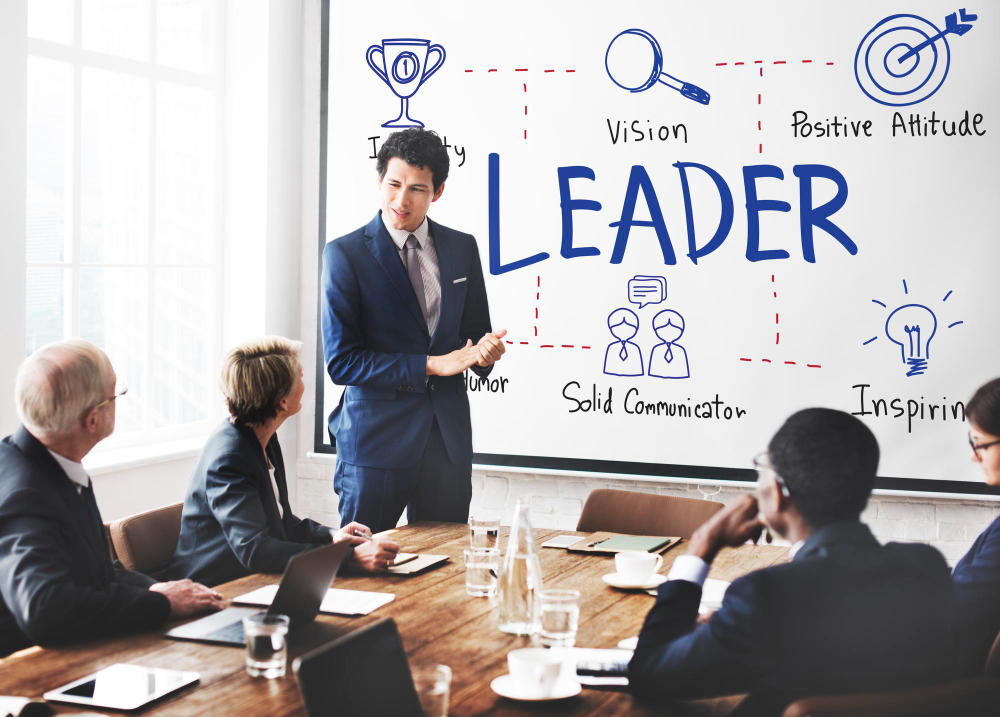
Effective Leadership Qualities That Define Great Leaders in the Modern Workplace
What makes someone a truly effective leader?
Is it the ability to inspire others? The skill to make tough decisions under pressure? Or the calm presence in the middle of chaos?
The truth is effective leadership is a blend of qualities, not just a checklist of skills or management tactics. It’s about who you are, how you show up, and how you bring people together to achieve something bigger than themselves. And in today’s world of constant change, hybrid workplaces, and complex challenges, leadership qualities are more important than ever before.
In this blog, we’ll explore the top leadership qualities that drive success—not only in boardrooms and businesses but in teams of every size and industry. Whether you're a rising leader, seasoned manager, or HR professional developing future talent, this guide will help you recognize and nurture the traits that truly matter.
Why Do Leadership Qualities Matter So Much Today?
We’re no longer in an era where leadership simply means giving instructions or enforcing rules. Today’s leaders must be agile, emotionally intelligent, and deeply connected with their teams.
Strong leadership qualities:
- Build trust and drive engagement
- Help teams navigate uncertainty and change
- Influence behavior, morale, and company culture
- Directly impact business outcomes from performance to retention
Let’s dive into the key qualities that effective leaders consistently demonstrate—and why each one matters more than ever.
1. Self-Awareness: The Leadership Superpower
Effective leadership starts with knowing yourself. Self-aware leaders understand their emotions, triggers, values, and limitations, and they use that understanding to lead more authentically and compassionately.Why it matters:
- Helps you regulate your reactions under pressure
- Builds trust by showing humility and transparency
- Enhances your ability to receive feedback and grow
2. Strong Communication: Clear, Honest, and Empathetic
Every great leader is a great communicator. That doesn’t mean delivering motivational speeches, it means listening actively, sharing expectations clearly, and connecting with people in a way that builds clarity and trust.Signs of effective communication:
- You listen without interrupting or judging
- You give constructive feedback without blame
- You ensure people always know where they stand
3. Vision and Purpose: Seeing the Bigger Picture
Leaders without vision are like captains without a map. Great leaders provide a sense of direction and purpose that rallies people together and keeps them focused even during uncertain times.What it looks like:
- Articulating a clear vision for the team or organization
- Aligning daily tasks with long-term goals
- Helping people understand the “why” behind the “what”
4. Emotional Intelligence (EQ): Leading with Empathy
Leadership isn’t just logical it’s emotional. Emotional intelligence means recognizing, understanding, and managing your own emotions and being sensitive to the emotions of others.EQ-driven leaders:
- Stay calm in difficult conversations
- Show empathy toward their team’s experiences
- Adapt their communication style based on the situation
5. Decision-Making Ability: Balancing Data with Intuition
Leaders make decisions daily some small, some business-defining. The best leaders gather the facts, consider multiple viewpoints, and act decisively while staying open to new information.Key traits of effective decision-makers:
- Confidence, without arrogance
- Ability to prioritize and cut through the noise
- Willingness to take ownership, even when things go wrong
6. Integrity and Accountability: Walk the Talk
Integrity isn’t just about being honest it’s about being consistent, fair, and dependable. Teams trust leaders who mean what they say and act in alignment with their values even when no one is watching.How it shows up:
- Keeping your promises
- Admitting when you’re wrong
- Holding yourself and others accountable
7. Resilience and Adaptability: Embracing Change with Courage
Change is the only constant. Resilient leaders stay calm and grounded during disruption. They don’t deny change—they face it with flexibility, problem-solving, and optimism.Adaptable leaders:
- Respond to setbacks without losing focus
- Encourage experimentation and learning from failure
- Guide teams through transformation with empathy
8. Empathy and Inclusion: Leading with Humanity
Great leaders don’t just manage they care. They understand that every team is made up of individuals with unique backgrounds, strengths, and needs. Empathetic leaders create space for everyone to belong and contribute fully.What it looks like:
- Making time for one-on-one conversations
- Creating inclusive policies and practices
- Showing concern for people’s wellbeing not just their output
9. Collaboration and Empowerment: Growing Others
Leadership isn’t about being the smartest person in the room it’s about helping others shine. Effective leaders build trust-based relationships, break down silos, and encourage ownership at every level.Empowering leaders:
- Delegate meaningful responsibility
- Celebrate team wins over individual egos
- Invite feedback and new ideas from all levels
10. Commitment to Learning: Always Growing, Always Leading
The best leaders are students first. They stay curious, seek feedback, and evolve with their environment. This mindset doesn’t just improve leadership it inspires a culture of learning across the organization.They show growth by:
- Investing in their own development
- Encouraging others to upskill and explore
- Reflecting regularly on what’s working (and what’s not)
How to Develop These Leadership Qualities in Yourself or Your Team
Now that we’ve explored the essential qualities, the question is: How do you build them?Start with small, consistent steps:
- Self-reflect: Ask yourself what kind of leader you want to be
- Seek honest feedback: From peers, mentors, or coaches
- Join leadership workshops: These provide structure, feedback, and practice
- Practice active listening and empathy daily
- Read, listen, and learn: There are endless resources to expand your thinking